
What does OSHA actually require for handwashing on a jobsite?
The rule people misquote most is 1926.51(f)(1), and it is not a blanket handwashing mandate. It applies specifically where employees apply paints, coatings, herbicides or insecticides, or work around similar contaminants. If your South Gate crew is spraying a coating on a fence line or handling pesticide on a landscaping job, that section kicks in and you need washing facilities on site. Separate from that, 29 CFR 1910.141(d)(2) says any washing facility you provide has to have soap and towels or a hand drying device. Hand sanitizer alone does not satisfy it. South Gate Porta Pros stocks stations with both, and pairs them with portable toilet rental or porta john rental so a site is covered on both fronts. If your crew count is unclear, check how many porta potties do i need before you order, since toilet ratios and handwash needs often get planned together.
Why do restaurants and food sites need a different standard?
Grease traps and food handling bring their own math. A grease interceptor gets pumped once fats, oils, grease and solids hit 25 percent of the liquid depth, which is a separate service from handwashing but the two often get scheduled together on the same call. If you run a food truck lot or catering setup in South Gate, pair a handwashing station rental with grease trap pumping so both boxes get checked. A portable sink rental with hot water works better for food service than a basic foot-pump unit, and it satisfies the soap-and-towel requirement under 29 CFR 1910.141(d)(2) more comfortably during a health inspection. Farm operations have their own rule: OSHA 1928.110 requires potable water, toilets and handwashing for hand-labor employees, at one facility per 20 workers, reachable within a quarter mile walk. That standard matters if you run farm and agricultural restrooms work near South Gate.

How many handwashing stations does a jobsite need?
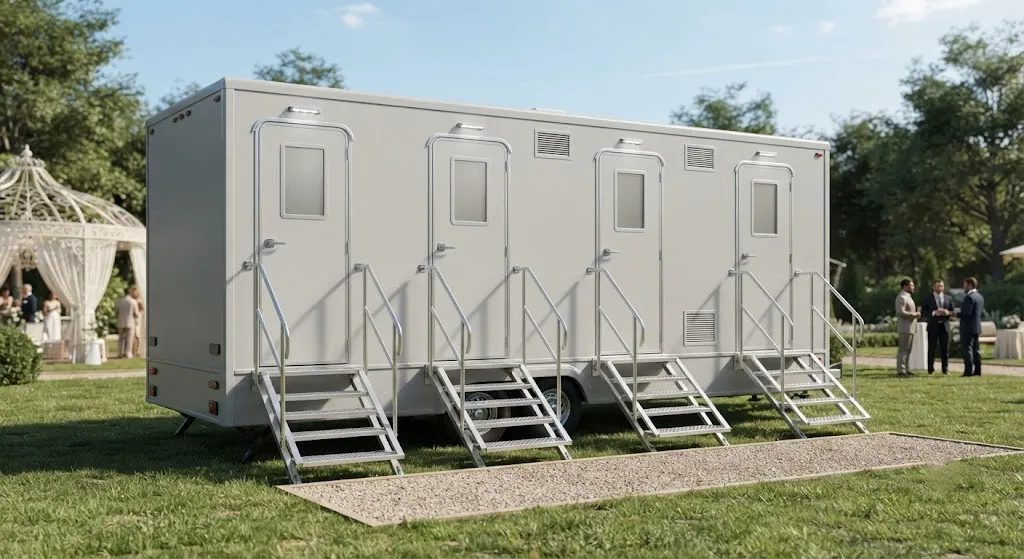
One station per 20 workers is the baseline most crews plan around, mirroring the field sanitation ratio in OSHA 1928.110, though your exact contaminant exposure under 1926.51(f)(1) may push that number higher. A general contractor running 40 workers on a South Gate build usually orders two stations minimum, plus toilets sized to OSHA 1926.51(c): one seat for 20 workers or fewer, then one toilet and one urinal per 40 workers as the crew grows toward 200. Event organizers use a similar approach. If you're planning a festival restroom rental or concert restroom rental setup, add handwash stations near food vendors and any portable restroom rental cluster so lines do not bottleneck at a single sink. For ADA compliance, ADA Standards 213.2 requires at least 5 percent of clustered single-user toilet units to be accessible, never fewer than one, which is the number South Gate Porta Pros uses when quoting an ada accessible porta potty alongside handwash gear.
Where should stations go on a South Gate site?
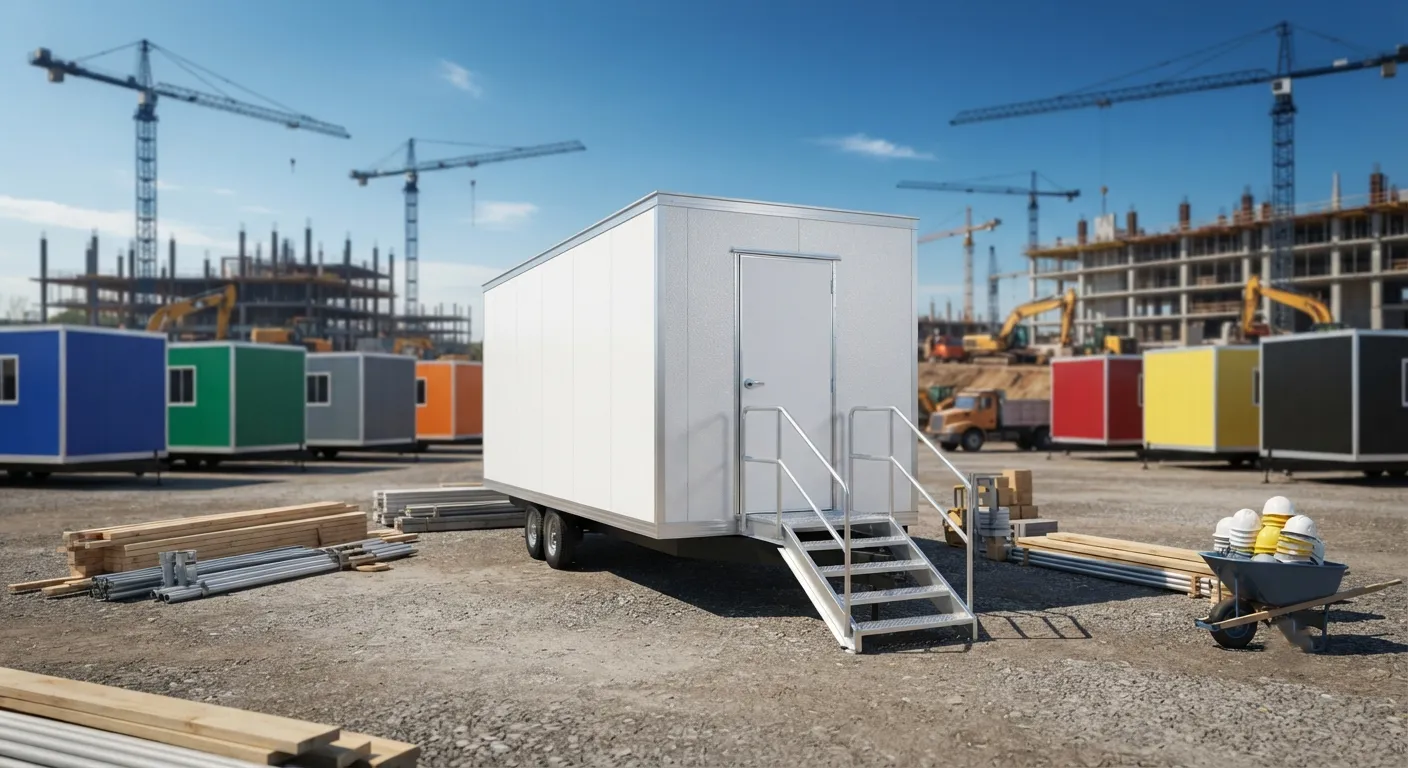
Placement matters more than most people expect. Stations need to sit on stable, slip-resistant ground per ADA Standards 302.1, with a clear approach, and any accessible unit needs a 60 inch turning circle under ADA Standards 304.3.1. On a tight urban lot in South Gate, that usually means placing stations near the site entrance or break area, not tucked behind equipment. Roll-off dumpster deliveries need about 60 feet of straight clearance behind the truck, so if you're also ordering a roll-off dumpster rental or a 10 yard dumpster rental, plan handwash placement around that clearance zone first. Jobs near Cudahy, 2.4 miles northeast of South Gate, or Bell, 3.5 miles north, follow the same placement logic since site layouts and code enforcement patterns are similar across this stretch of Los Angeles County. Crews working closer to Commerce, 6.4 miles northeast, or Bell Gardens, 4.2 miles northeast, should still confirm placement in the public right of way with the city, since that rule has not been verified for South Gate specifically.
FAQ
Does hand sanitizer meet the OSHA requirement?
No. 29 CFR 1910.141(d)(2) requires soap and towels or a hand drying device at any washing facility you provide. Sanitizer stations are a fine supplement near a hand sanitizer station rental setup, but they do not replace a real handwash unit with water and soap.
Do I need handwashing stations if my crew isn't using chemicals?
1926.51(f)(1) only applies to paint, coatings, herbicides, insecticides and similar contaminants. Outside that, general sanitation under 1926.51(c) still governs toilet counts, and most South Gate contractors add a handwash station anyway for basic hygiene between building and rest breaks.
How far can a handwash station be from the work area?
OSHA 1928.110 sets a quarter mile walking distance for field sanitation on farm sites. Construction sites don't have that exact figure in the general standard, so most South Gate crews place stations near the construction site services staging area for practical reach.
Can one handwashing station serve multiple portable toilets?
Yes, as long as the ratio stays reasonable for crew size. A single station near a cluster of units under standard porta potty rental works fine for smaller sites; larger jobs need more stations spread across the site, not stacked in one spot.
What is the difference between a handwash station and a portable sink?
A basic handwash station covers soap, water and towels for compliance. A portable sink rental often adds hot water and a larger basin, better suited to food service or film set restroom rental work where crews wash hands more often through the day.
Next step
Get a delivery date
Tell us the address, the dates and the headcount. We size the order and confirm the route.